
Product quality is the guarantee, corporate reputation is life, and mutual benefit is the requirement.
Steel Component Classification and Product Introduction
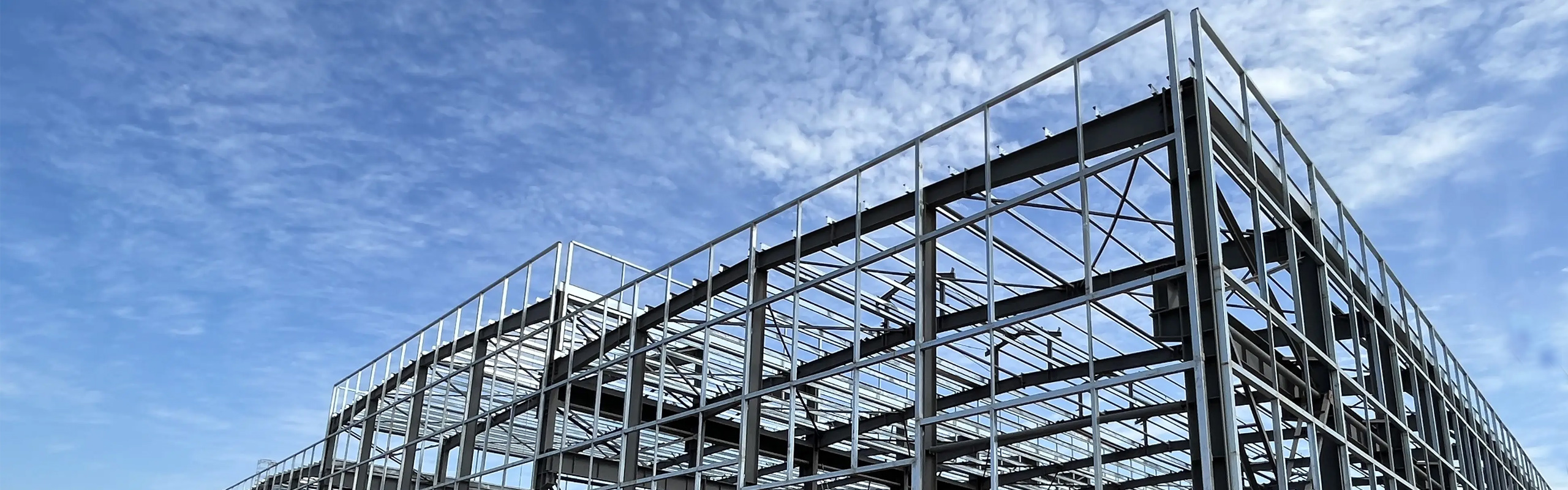
Bonded external packaging steel reinforcement method: The external packaging steel reinforcement of reinforced concrete beams generally adopts the wet external packaging method, that is, using epoxy resin chemical grouting and other methods to bond the steel section and the reinforced member into an integral whole. After reinforcement, the tensile and compressive steel section areas of the member are greatly increased, so the positive section bearing capacity and section stiffness are also greatly increased. Steel structures are often used in various engineering structures with large spans, large heights, large loads, and large dynamic actions, so their stability is very important, and reinforcement measures must be taken. In addition to being manufactured and assembled in accordance with the construction drawings and specifications, prefabricated steel components on steel platforms should also consider the processability and changes in installation dimensions on site.
Riveting and welding: When assembling steel components, forced assembly should be avoided, especially avoiding flame baking and correction assembly. If plasma cutting is temporarily used during the assembly or manufacturing process, isolation measures should be taken to avoid contamination of other steel components by slag. After cutting, the slag on the workpiece should be cleaned.
What needs to be paid attention to? Provide a detailed explanation, including general rules, terminology, symbols, basic regulations, incoming materials and finished products, welding engineering, fastener connection engineering, steel parts and steel component processing engineering, steel component assembly engineering, steel component pre-assembly engineering, single-layer steel structure installation engineering, multi-layer and high-rise steel structure installation engineering, steel space frame structure installation engineering, profiled metal plate engineering, steel structure coating engineering, steel structure sub-project completion acceptance, etc.
In terms of component strength testing, the following key aspects should be focused on: 1) Concrete strength testing of factory buildings 2) Raw material testing of factory steel components (mechanical and process properties) 3) Testing of high-strength bolts used for connecting factory steel components (torque coefficient, anti-slip coefficient) 4) Dimension deviation testing of factory steel components 5) Appearance quality testing of factory steel components 6) Material thickness inspection of factory steel components 7) Material coating thickness testing of factory steel components
In the steel structure design description, the required fire resistance limit, fire-retardant coating type, and product requirements for various steel components will be specified; the anti-corrosion life and regular maintenance requirements will be specified. For example: The required fire resistance limit of steel components is: steel columns and column inter-supports, steel beams, crane beams, tie rods, and roof horizontal supports, steel bar truss floor slabs, and roof load-bearing components are not less than. However, no detailed explanation is given for the roof purlins. (4) When heated, the expansion-type fire-retardant coating expands and foams to form a carbon foam insulation layer to enclose the protected object, delaying the transfer of heat to the base material, and preventing the object from catching fire or burning due to increased temperature and resulting strength reduction.
Steel components themselves are non-combustible building materials, but if the temperature is between 450℃-650℃, the fire resistance limit of un-fireproofed steel components is about 15 minutes. With the rapid increase in temperature, the steel components will lose their load-bearing capacity, undergo excessive deformation, and cannot continue to bear the load, which will lead to collapse accidents. Therefore, fire protection must be carried out for steel-bonded reinforcement to ensure that the fire resistance limit of steel components reaches the limit specified in the design code.
Previous Page:


Tel:
0871-63926562|13700675159 (Mr. Liu)
Email:
Address:
Room 308, Building 3, No. 18, Courtyard, Central Park, China Resources Gold Land, Wujia Dam, Guandu District, Kunming City
Copyright: Yunnan Tiehan Steel Structure Engineering Co., Ltd.

Follow us

Add my WeChat