
Product quality is the guarantee, corporate reputation is life, and mutual benefit is the requirement.

2024-09-03
A Comprehensive Analysis of the Steel Structure Processing Industry in Yunnan
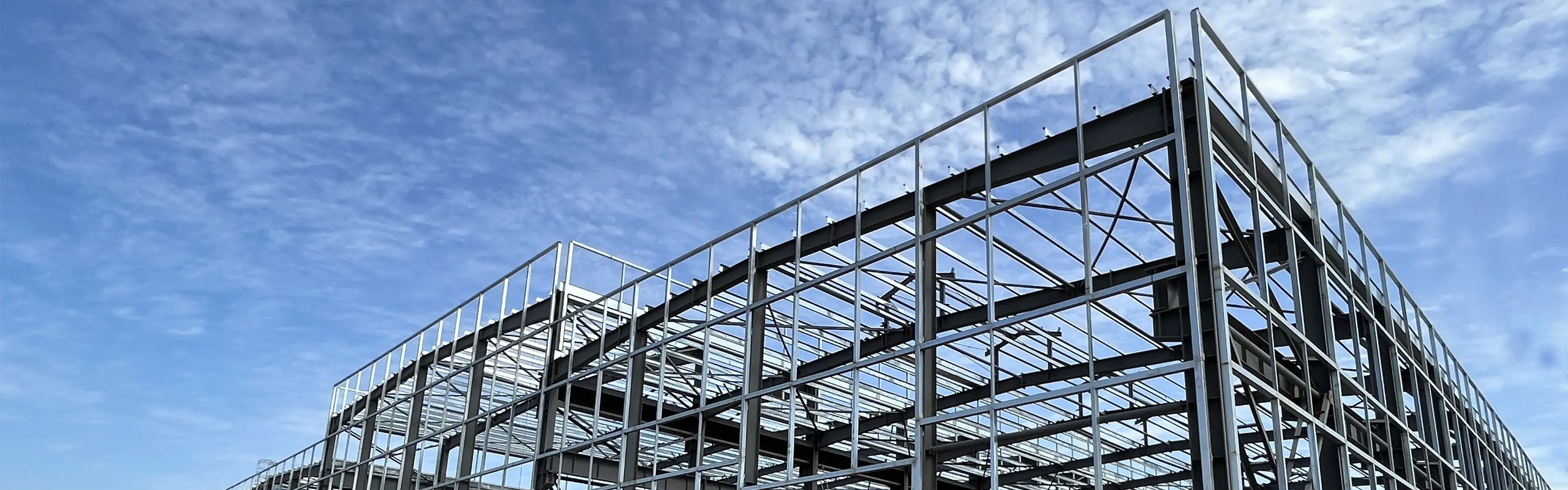
In today's rapidly developing construction and industrial fields, Yunnan steel structure processing, as an efficient and environmentally friendly method of processing building materials, is gradually becoming the mainstream choice in the industry. Steel structures, with their unique advantages such as high strength, good earthquake resistance, and short construction periods, are widely used in various buildings and industrial facilities. 1. Industry Status and Development Trends The steel structure processing industry is currently in a period of rapid development, with continuous technological advancements and sustained market demand. With the accelerated advancement of national infrastructure construction and the transformation and upgrading of the construction industry, steel structure processing enterprises have demonstrated strong capabilities in undertaking large-scale engineering projects, improving production efficiency, and reducing costs. As the concept of green buildings and sustainable development becomes more deeply ingrained, the steel structure processing industry will usher in even broader development prospects. 2. Main Processing Technologies and Processes Yunnan steel structure processing involves a variety of technologies and processes, including cutting, welding, assembly, and painting. Among these, automated cutting and welding technologies are key to achieving efficient production. Many enterprises use advanced CNC cutting machines and welding robots to improve processing accuracy and efficiency. Meanwhile, painting processes are also an important link in ensuring the corrosion resistance of steel structures, through the use of high-performance coatings and advanced painting technologies
2024-08-19
The parallel path of challenges and innovations in the processing of non-standard parts
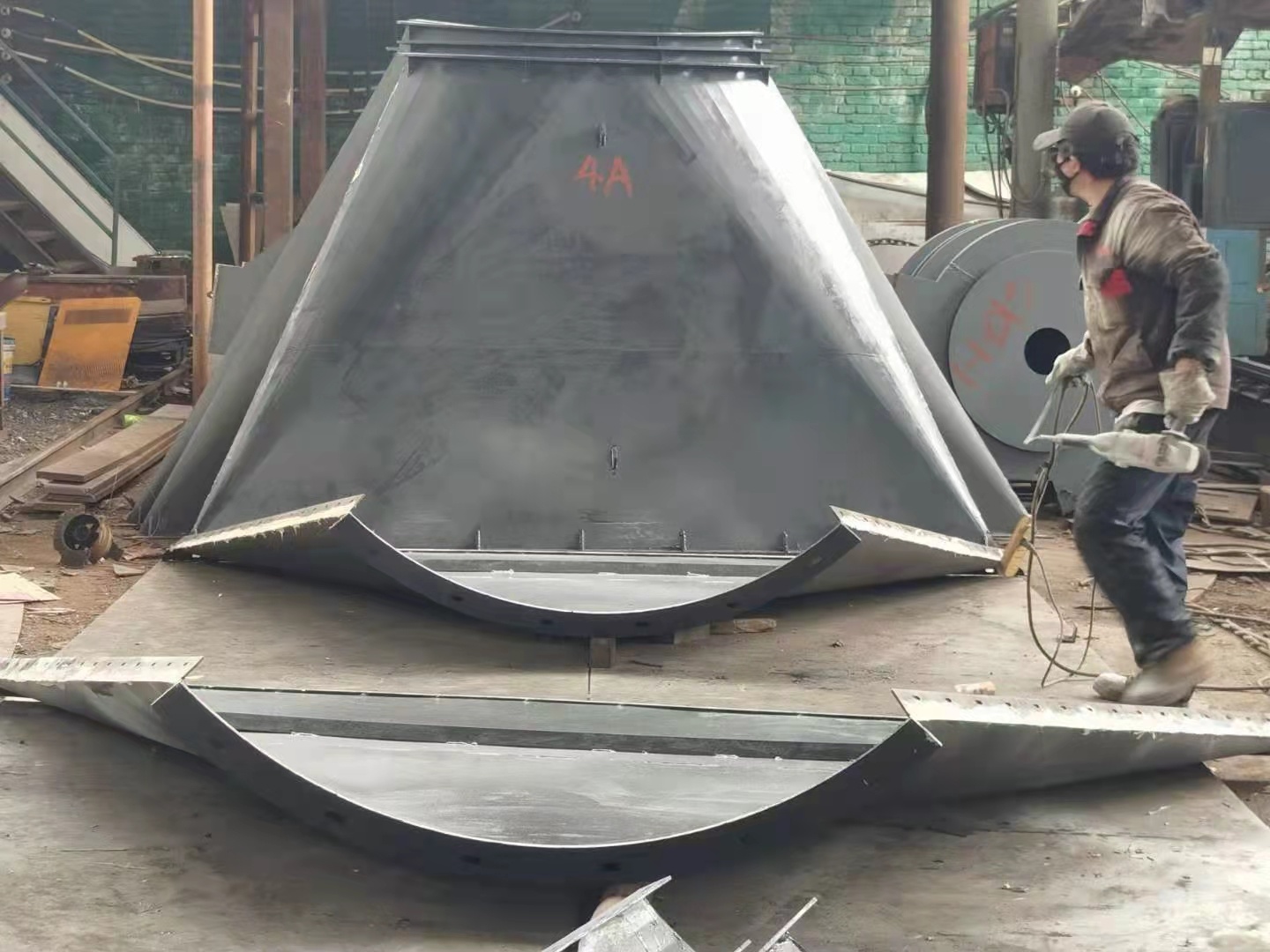
Irregular part machining, as a challenging and innovative field in manufacturing, is attracting more and more attention with its unique charm. This type of machining involves parts with special and irregular shapes, often with complex high precision and high processing difficulty, placing extremely high demands on operating techniques and processing methods. Definition and characteristics of irregular parts Irregular parts, as the name suggests, refer to parts with special and irregular shapes. Compared with ordinary parts, they have higher requirements in terms of geometric shape and dimensional accuracy. This special feature makes irregular parts have wide application value in many industries, such as machinery manufacturing, construction engineering, packaging materials, art crafts and household products. Diversity of processing methods There are various methods and techniques for machining irregular parts. Among them, milling is a commonly used method. It uses cutting tools to remove material from the surface of the workpiece to form the desired shape, suitable for workpieces of various shapes and sizes. Turning is more suitable for machining rotationally symmetrical workpieces such as cylinders and cones, with advantages of high efficiency, high precision and low cost. In addition, electric discharge machining, laser machining, and stamping are also commonly used methods for machining irregular parts. These methods have their own advantages and disadvantages,

2024-08-06
异形件加工的精密艺术
In the vast field of manufacturing, the processing of irregular parts is undoubtedly a precise art that showcases wisdom and skill. Irregular parts, as the name suggests, refer to components with complex, non-standard shapes that are difficult to process directly using conventional methods. They are widely used in high-tech fields such as aerospace, automotive manufacturing, medical equipment, and precision instruments, and are an indispensable part of promoting technological progress and industrial upgrading. The challenge of irregular part processing lies in its unique shape requirements, which require processing equipment to have a high degree of flexibility and precision. The application of advanced technologies such as modern CNC machine tools, laser cutting, and 3D printing has greatly expanded the boundaries of irregular part processing. CNC machine tools, through programmed control, can achieve precise movement along complex trajectories, ensuring that every detail meets the design requirements; laser cutting, with its non-contact, high-precision, and high-speed characteristics, has become the preferred choice for processing thin-plate irregular parts; and 3D printing technology has subverted traditional manufacturing methods, capable of directly "printing" complex three-dimensional structures, bringing new possibilities to irregular part processing. Irregular part processing not only tests processing technology but also places higher demands on material selection and processing. Different materials have different physical and chemical properties and require the use of corresponding processing techniques. For example, metal irregular parts
2024-07-25
Special-shaped parts processing promotes innovation in construction engineering
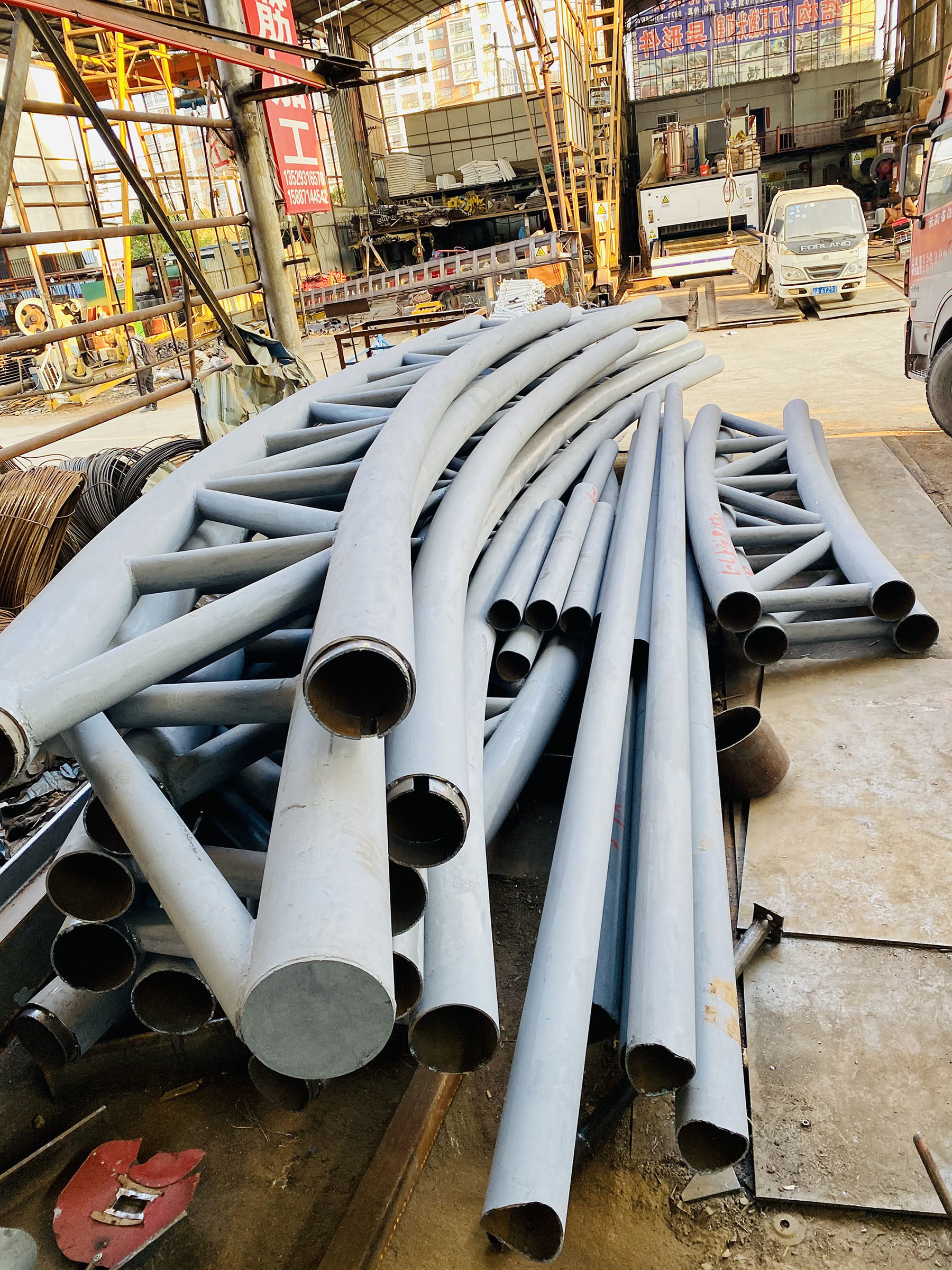
In the field of building construction, ventilation duct processing plays an important role, especially in the processing of irregular parts. With the rapid development of the construction industry and the increasing demand for innovation, ventilation duct processing technology has gradually become one of the key factors driving the innovative development of Yunnan's construction projects. This article explores how ventilation duct processing assists building construction and discusses the importance of processing irregular parts.
2024-07-15
Membrane structure and special-shaped component processing, creating the beauty of modern architecture
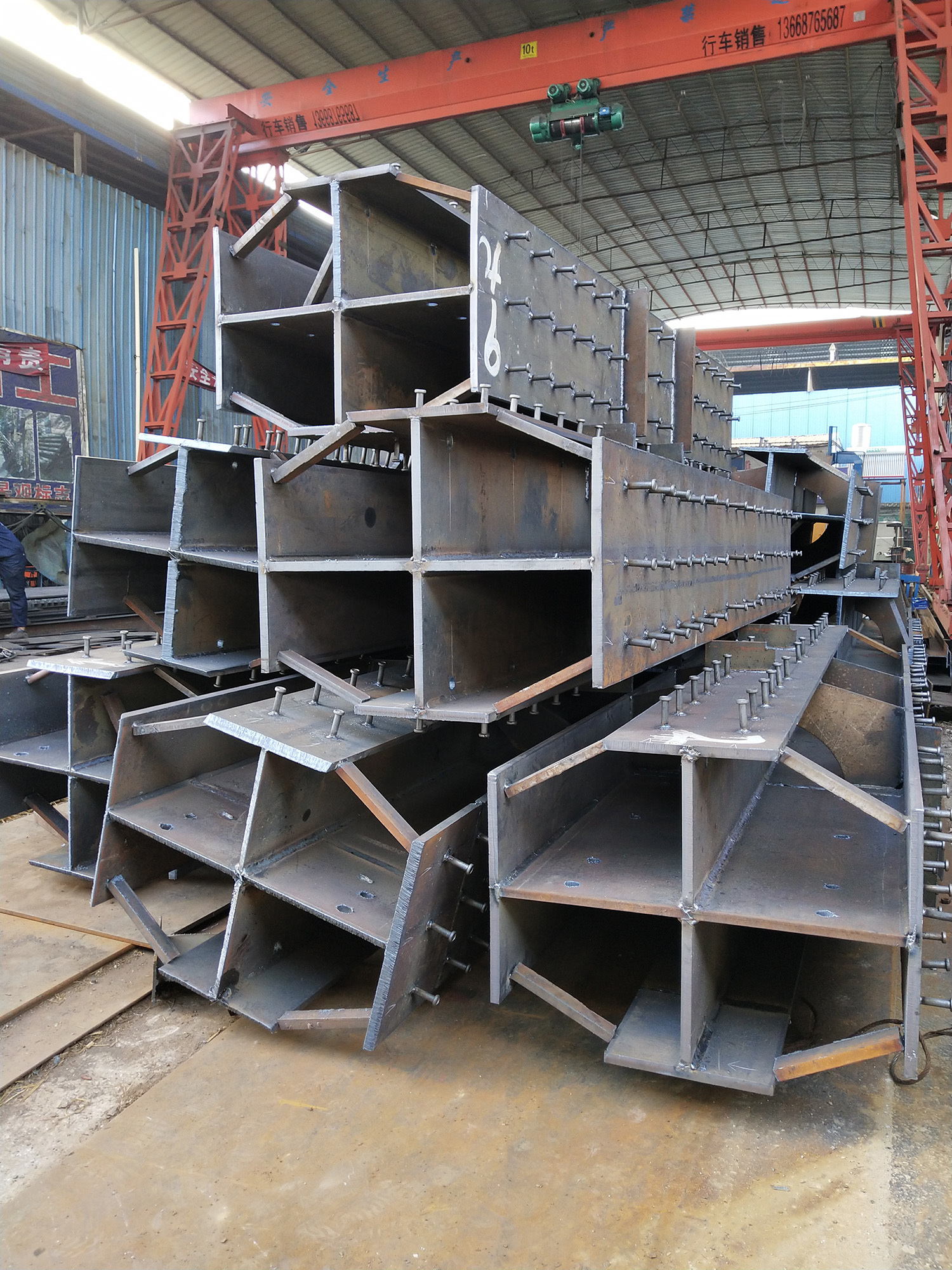
Membrane structures and the processing of irregular components create the beauty of modern architecture. In modern architectural design, membrane structures and the processing of irregular components serve as two innovative building materials and technologies, bringing brand-new design possibilities and aesthetic expressions to architecture. As a lightweight, high-strength building material, membrane structures can achieve large-span coverage, creating a building exterior that is full of dynamism and modernity. The processing of irregular components, through the cutting, bending, and combination of materials, creates building components with unique shapes and textures, adding unique artistic charm to the building. The application of irregular component processing technology means that buildings are no longer limited to traditional straight lines and planes, but exhibit a more three-dimensional and layered appearance. Through the precise processing and assembly of materials such as metal, glass, and plastic, designers can achieve various unprecedented architectural forms, making the building more vivid, full of tension, and captivating. The processing of irregular components not only brings a sense of freshness to the building visually but also improves the structural performance and durability of the building to a certain extent. The combined application of membrane structures and the processing of irregular components injects unique fashion and futuristic elements into modern architecture. The lightness of membrane structures and the complex shapes of irregularly processed components blend together to create architectural works that are full of modernity and a technological feel.
2024-07-05
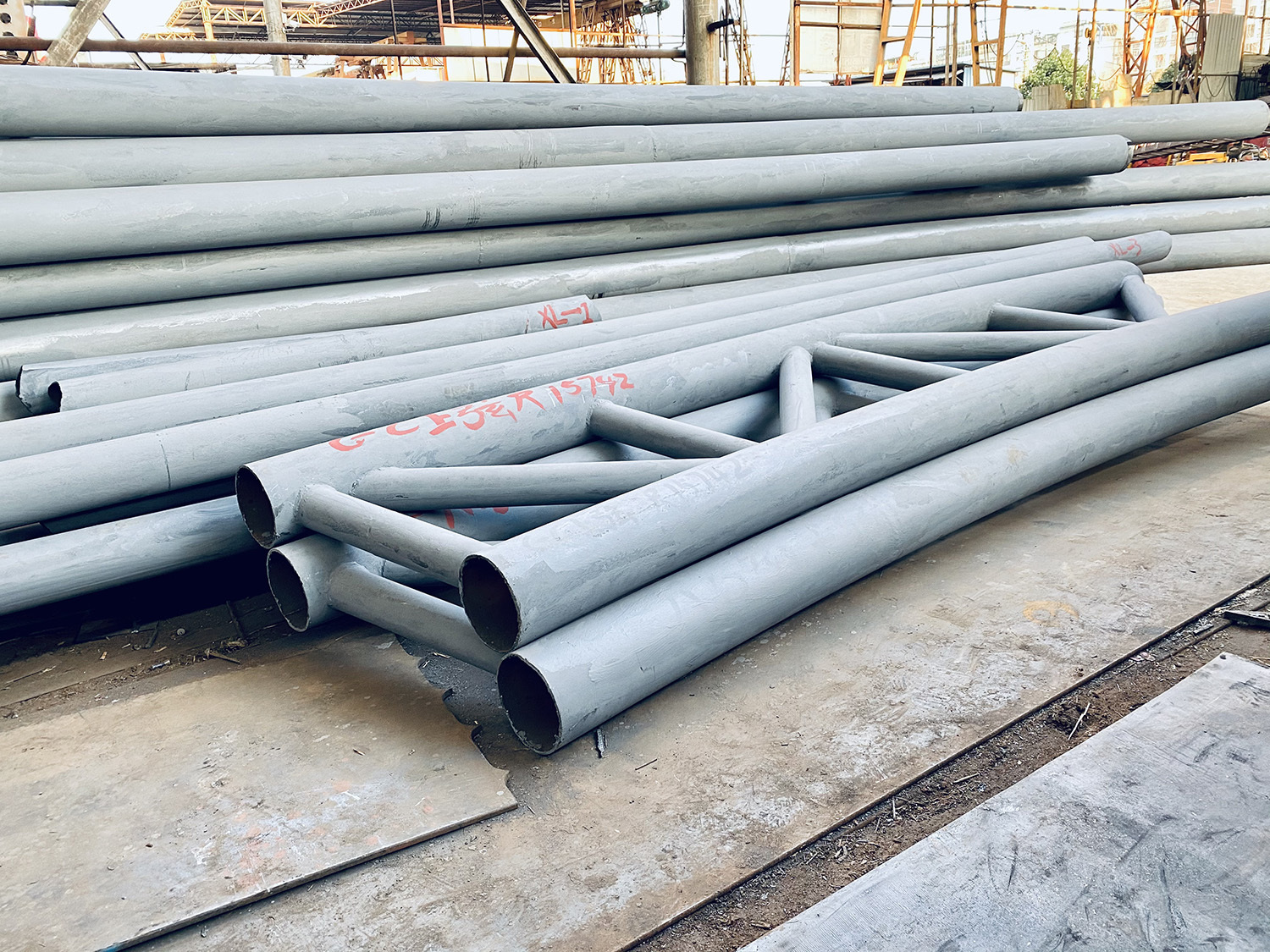
Custom fabrication, creating uniquely designed steel structures
Special-shaped component processing is a key technology that makes steel structure engineering more unique and eye-catching. Through customized design and processing, various shapes and styles of special-shaped components are created, injecting unique personality and charm into buildings. These specially shaped components not only enhance the appearance of the building, but also enhance its structural performance and functionality, bringing new possibilities and value to the project. In steel structure engineering, the application fields of special-shaped component processing are extensive, from building facades to interior decoration, from bridge structures to sculptural art, its unique value and charm can be seen. In the field of steel structure engineering, special-shaped component processing is a crucial technology. Through precise processing and customized design of steel, special-shaped components of various shapes and sizes can be easily realized, giving buildings a unique appearance and style. Whether it is curves, angles, or three-dimensional structures, special-shaped component processing can meet various design needs, providing architects with more creative space and possibilities. Through close cooperation with steel structure engineers, the perfect presentation of design concepts is realized, creating stunning architectural works. The advantages of special-shaped component processing lie not only in its unique design, but also in its structural stability and durability. Steel, as a structural material, has high
Tel:
0871-63926562|13700675159 (Mr. Liu)
Email:
Address:
Room 308, Building 3, No. 18, Courtyard, Central Park, China Resources Gold Land, Wujia Dam, Guandu District, Kunming City
Copyright: Yunnan Tiehan Steel Structure Engineering Co., Ltd.

Follow us

Add my WeChat