
Product quality is the guarantee, corporate reputation is life, and mutual benefit is the requirement.

2024-06-12
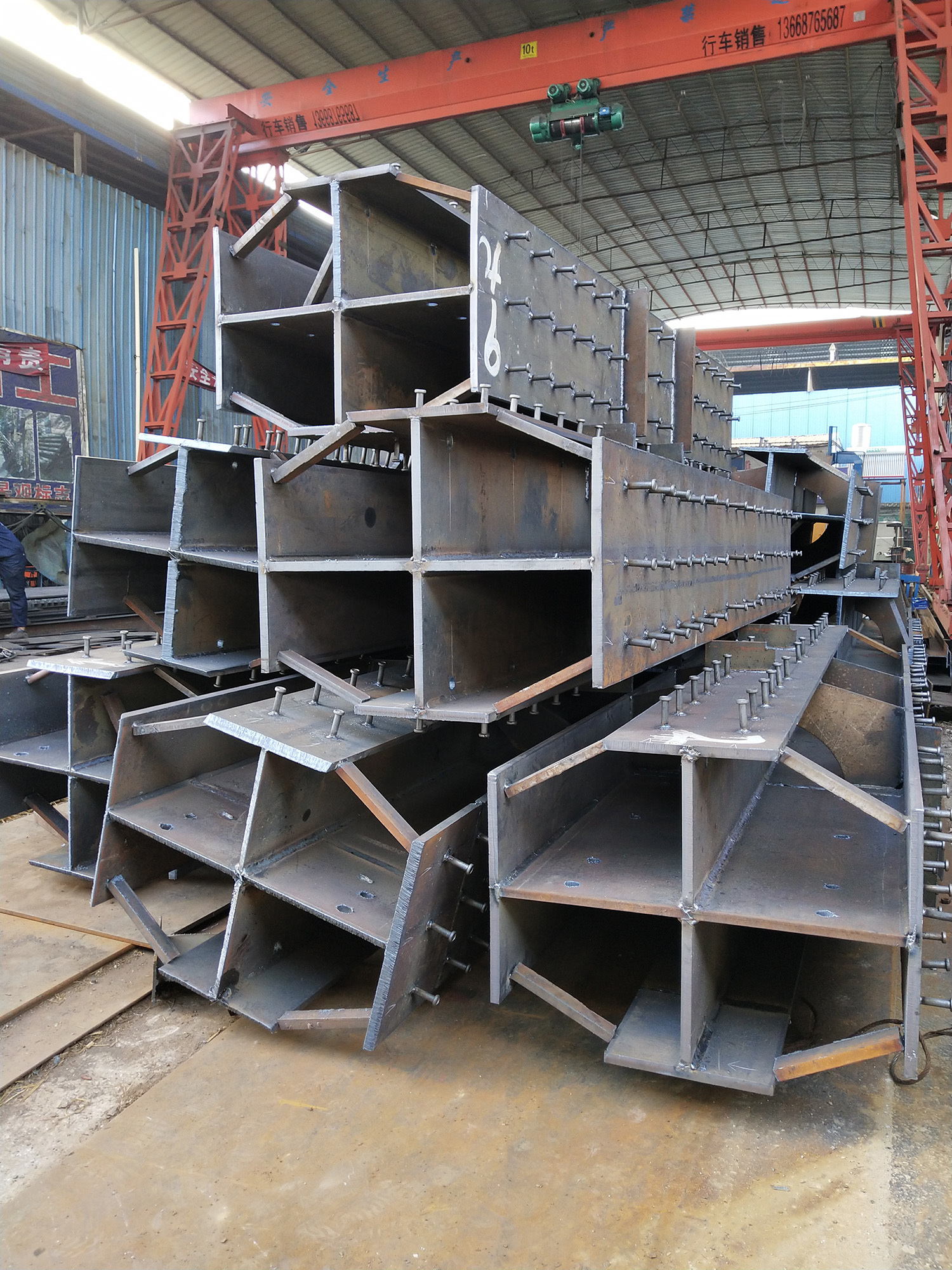
Analysis of Processing Technology and Application Prospects of Irregular Parts
In modern manufacturing, the processing of irregular parts has attracted considerable attention due to its complexity and uniqueness. Processing irregular parts requires not only high precision and efficiency, but also the ability to meet the requirements of various complex shapes and sizes. This article explores the processing flow, technical difficulties, and application prospects of irregular parts. The processing flow of irregular parts mainly includes the following steps: Material preparation: Select appropriate materials such as metals and plastics according to product requirements. Design and drafting: Use computer-aided design (CAD) software to perform three-dimensional modeling and drafting of the workpiece, ensuring the accuracy and rationality of the design. Selection of processing methods: Select appropriate processing methods, such as milling, turning, and drilling, according to the workpiece requirements and material characteristics. Processing mold design and manufacturing: Design and manufacture suitable processing molds according to the shape of the workpiece and the requirements of the processing method. Processing operation: Place the prepared materials on the processing equipment and perform processing operations according to the design drawings and process requirements. Detection and adjustment: Continuously inspect and adjust the workpiece during the processing process to ensure processing precision and quality. Surface treatment: Perform surface treatment on the finished irregular parts as needed, such as grinding and spraying. Quality inspection

2024-05-27
Characteristics and processing methods of special-shaped parts
Irregular part machining is an important field in manufacturing, involving the precise machining of components with special shapes and sizes. With the continuous development of industrial technology, the demand for irregular part machining is increasing, and its machining technology and methods are becoming increasingly rich and perfect. This article introduces the technical characteristics, machining methods, and application fields of irregular part machining. The main characteristics of irregular part machining lie in the non-standard shape and size, which makes the machining process require a higher technical level and more complex process flow. Specifically, irregular part machining has the following characteristics: High-precision requirements: Irregular parts often need to meet strict dimensional and shape tolerance requirements, so high-precision machining equipment and processes are required during machining. High complexity: The shapes and sizes of irregular parts vary, making the machining process complex and changeable, requiring specific process design and machining planning for each component. High cost: Due to the complexity and high-precision requirements of irregular part machining, the machining cost is usually higher, including equipment investment, machining time, and raw material consumption. There are various methods for irregular part machining, including the following common methods: Cutting: Cutting is one of the commonly used methods in irregular part machining, using cutting
2024-05-16
Analysis of the Technology and Application of Non-standard Parts Machining
In modern industrial production, the processing technology of irregular parts plays an increasingly important role. Irregular parts, namely components with irregular shapes, are difficult to process and have high precision requirements, but they are widely used and are of great significance in improving product quality and meeting personalized needs. Irregular part processing technology is a technology for processing components with complex shapes and high dimensional accuracy requirements. It involves a variety of processing methods and equipment, such as CNC machine tools, laser cutting, and EDM. During the processing process, appropriate processing methods and equipment should be selected and a scientific processing process should be formulated according to the shape, size, and precision requirements of the parts to ensure processing quality and efficiency. The main steps of irregular part processing The main steps of irregular part processing include workpiece design, material selection, process method determination, processing mold design, processing operation, and quality inspection. First, according to product requirements, computer-aided design software is used for three-dimensional modeling and drawing of workpieces to determine the shape, size, and precision requirements of the parts. Then, according to the requirements of the parts and the characteristics of the materials, appropriate processing methods and equipment are selected. Next, according to the shape of the workpiece and the requirements of the processing method, suitable processing molds are designed and manufactured. During the processing process, it is necessary to

2024-05-06
Precision machining of non-standard parts: shaping the future of industry
[{"id": 1, "text": "In modern industrial manufacturing, the machining of irregular parts, due to its unique and complex nature, has become an important technology. Irregular parts, namely components with unusual and non-standard shapes, play an indispensable role in numerous fields such as automobiles, medical devices, construction, and electronics. The technical requirements for machining irregular parts are extremely high, as each part has unique shape, size, and precision requirements. To meet these requirements, advanced machining equipment and sophisticated processes are necessary. From selecting appropriate materials and tools, to designing machining paths and writing programs, to precise positioning, clamping, and fine machining, every step requires strict control to ensure the quality and precision of the irregular parts. The importance of irregular part machining is self-evident. It is a key technology in manufacturing, capable of producing components with various unique shapes and functions to meet complex product needs. Machining irregular parts can enhance product value and competitiveness, as these parts are often crucial components whose quality and precision directly affect product performance and quality. It also drives technological advancements and innovation in manufacturing, promoting transformation and upgrading. In the process of machining irregular parts, selecting appropriate machining"}]

2024-04-26
How to choose a Yunnan steel structure manufacturer
When selecting a Yunnan steel structure manufacturer, it is necessary to consider multiple dimensions comprehensively to ensure that the selected manufacturer can meet the project's needs and quality standards. Here are some suggestions to help make a wise choice among many manufacturers. Focus on the manufacturer's technological strength. Technological strength is an important indicator to measure whether a steel structure manufacturer is reliable. Investigate whether the manufacturer has a professional design, processing, and construction team and has rich industry experience. Understand whether the manufacturer has relevant technical patents and its performance in terms of technological innovation capabilities. These can reflect the manufacturer's technical level and professionalism. Production capacity is also an important factor that we need to consider. Production capacity is directly related to the manufacturer's supply capacity and project schedule guarantee. Understand whether the manufacturer's production equipment is advanced and complete, and whether the production line is efficient and stable. Pay attention to the manufacturer's production scale and whether it can meet the needs of large-scale projects. In addition to technology and production capacity, pay attention to the manufacturer's quality assurance system. Quality is the lifeline of the project, and choosing a manufacturer with a complete quality assurance system is crucial. You can check the manufacturer's quality management system certification and its equipment and technical personnel configuration for product quality testing. Understand the manufacturer's past projects

2024-03-27
The wide range of applications for membrane structures in Yunnan
Yunnan membrane structures, as a novel architectural form, have gradually emerged in recent years. Their unique design and elegant appearance make the natural scenery and cultural landscape complement each other. With their light, transparent, and flexible characteristics, membrane structure buildings display a unique charm in the land of Yunnan, which is full of exotic flavors. Yunnan membrane structure buildings emphasize harmonious symbiosis with the environment in their design. Located on the plateau, they possess unique natural conditions, with mountains and rivers intertwined and picturesque scenery. Membrane structure buildings can make full use of these natural resources, introducing natural light into the interior to create a bright and comfortable spatial atmosphere. The light transmittance of the membrane material also makes the building's appearance blend with the surrounding environment, as if it were part of nature. In terms of material selection, Yunnan membrane structure buildings also have unique characteristics. The membrane material has good tensile strength and weather resistance, capable of withstanding the changeable climate conditions of Yunnan. Whether it is the scorching sun or the drizzle, the membrane material can maintain stable performance, providing reliable protection for the building. The membrane material also has environmental protection properties and can be recycled, conforming to the concept of sustainable development. In terms of application fields, Yunnan membrane structure buildings have a wide range of uses. They can be found in stadiums, exhibition centers, and commercial districts.
Tel:
0871-63926562|13700675159 (Mr. Liu)
Email:
Address:
Room 308, Building 3, No. 18, Courtyard, Central Park, China Resources Gold Land, Wujia Dam, Guandu District, Kunming City
Copyright: Yunnan Tiehan Steel Structure Engineering Co., Ltd.

Follow us

Add my WeChat